For a more detailed look at our history, explore the full timeline on our dedicated SFCT at 50 micro-site.
1970s
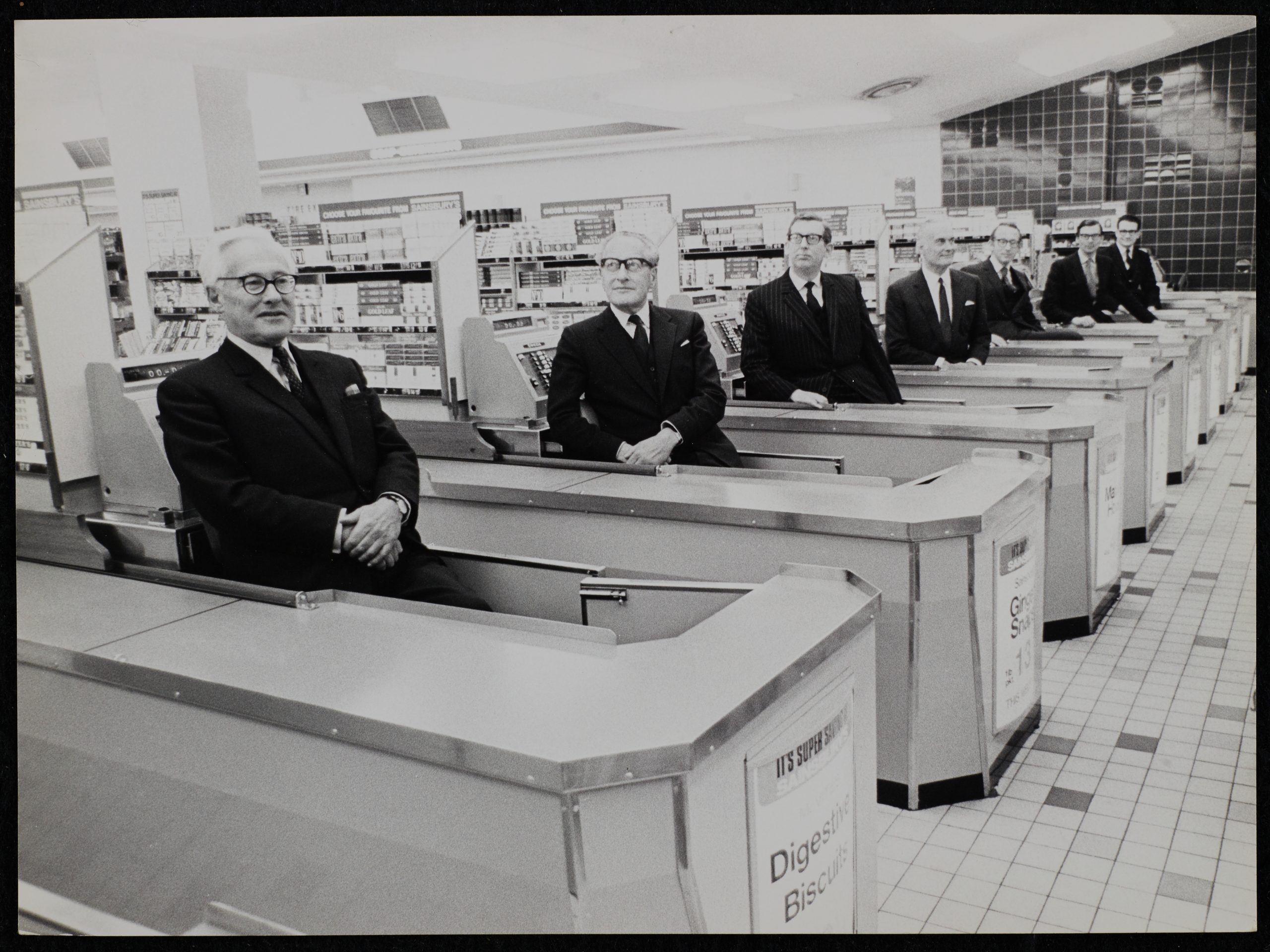
In 1973, SFCT began as a formal coalescence of the family Trusts under a unified umbrella. The Gatsby Charitable Foundation, The Headley Trust, The Linbury Trust, and The Monument Trust were in the initial group. Hugh de Quetteville was hired as the first Director – going on to lead SFCT for almost half of its 50 years. The small team was initially based at the J Sainsbury head office at Stamford House, Blackfriars, and later in the decade moved to a separate office in New Row, Charing Cross.
From the start, family members were a presence in the offices – determined to enact meaningful and lasting change through their distinct areas of focus.
1973
SFCT created; Hugh de Quetteville joins as first Director. The Headley Trust and The Linbury Trust are set up.
1974
The Elizabeth Clark Charitable Trust is set up.
1980s
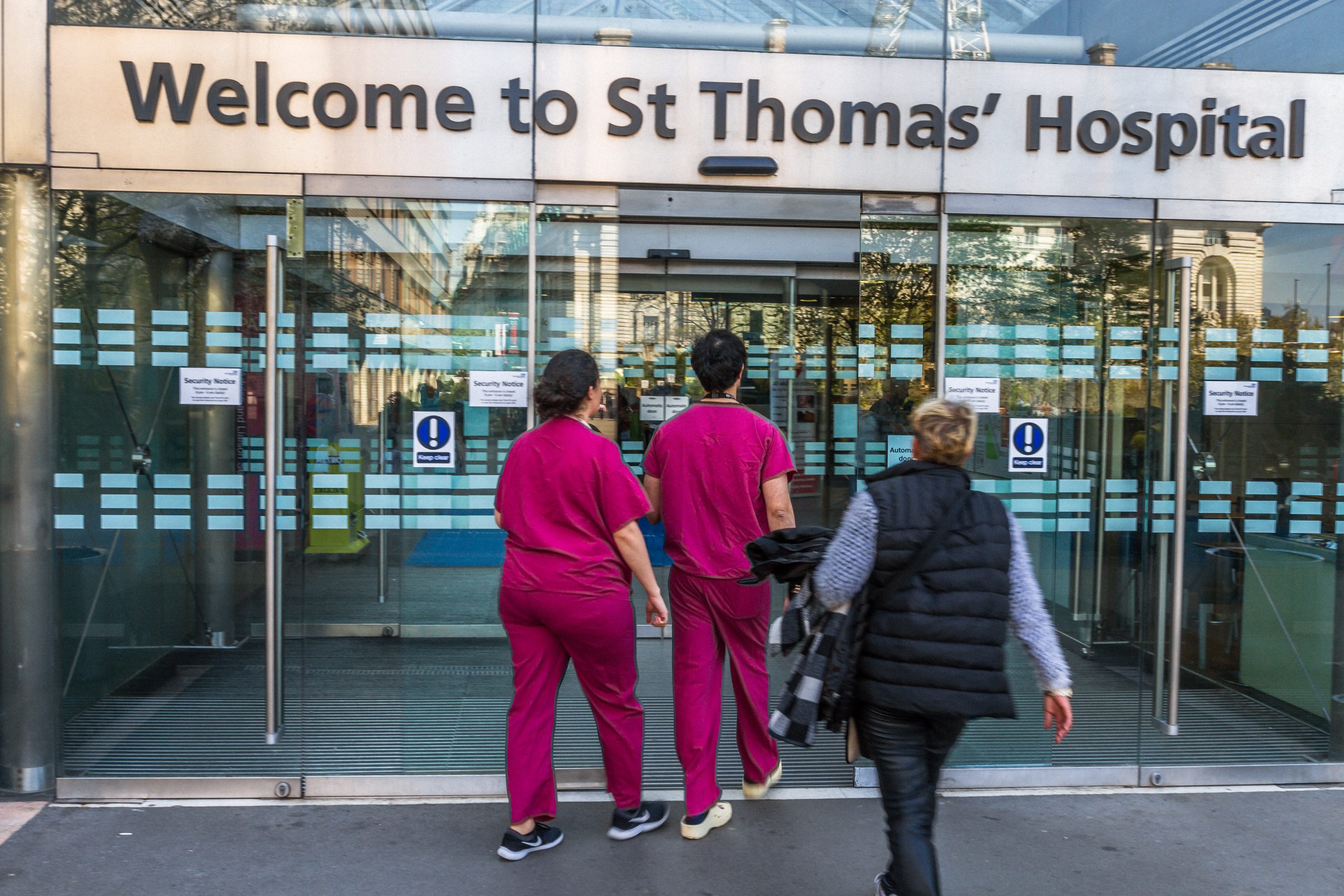
In the 1980s, new Trusts joined SFCT – including The Jerusalem Trust, The Kay Kendall Leukaemia Fund, The Tedworth Charitable Trust and The Ashden Trust. Hugh de Quetteville led a steadily growing staff team, which from 1989 included in-house finance support – much-needed given the increasing volume of grants to process.
Trusts responded to the challenges of the decade. The newly-formed Ashden Trust began funding to protect the threatened rainforests. The Monument Trust supported some of the first drop-in services and expert counselling during the HIV epidemic, at a time when individuals were often stigmatised for their illness. Elsewhere, the Trusts funded collaboratively on distinct projects, including working to develop understandings of palliative care, among other grants.
1982
The Jerusalem Trust is set up.
1985
The Kay Kendall Leukaemia Fund is established under the will of the late James Sainsbury.
1988
The Woodward Charitable Trust is set up.
1989
The Tedworth Charitable Trust is set up. The Ashden Trust (later known as The Aurora Trust) is set up.
1990s
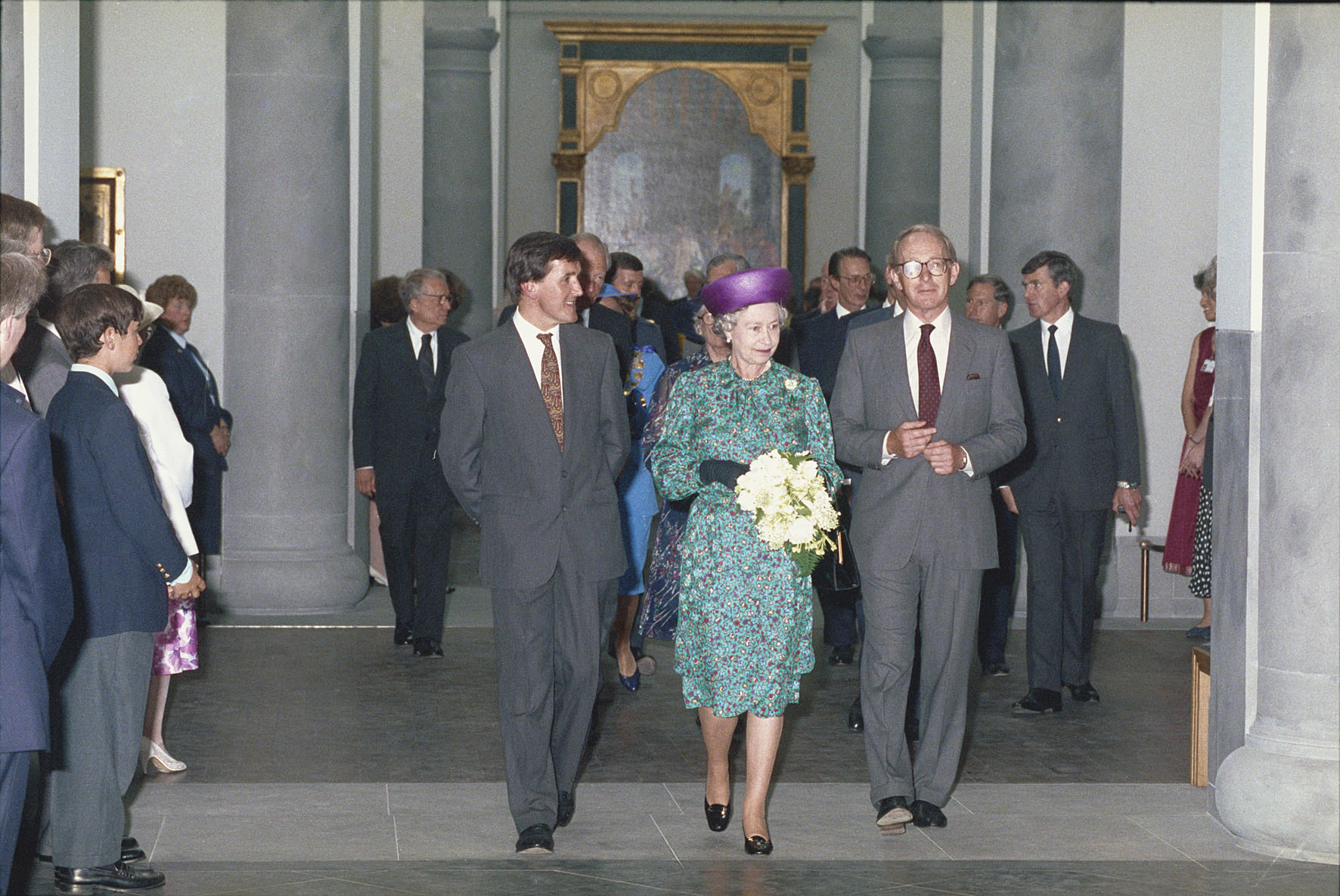
The 1990s saw a new generation of Trusts and charities begin work, with the close involvement of family members. In 1995, Hugh de Quetteville retired as Director, and was replaced by Michael Pattison. The staff team – which in the early 1990s was formed of just 15 people – expanded with additional expertise, and moved to Red Lion Court, Holborn.
The office saw new ways of working – the emergence of the Internet and digital technologies meant that charities could reach wider audiences than ever before and use online platforms to raise funds. By working online, grant-makers had greater access to information about their grantees and areas of interest – and SFCT adapted accordingly.
1990
Jerusalem Productions is established by The Jerusalem Trust.
1992
The Staples Trust and the The JJ Charitable Trust are set up.
1993
The Glass-House Trust is set up.
1994
The Mark Leonard Trust is set up.
1995
Hugh de Quetteville retires and is replaced by Michael Pattison.
1996
The Three Guineas Trust is set up. Gatsby Technical Education Projects is established by The Gatsby Charitable Foundation.
1997
The Woodward Charitable Trust, established in the 1980s, joins SFCT.
1998
The Alan and Babette Sainsbury Charitable Fund, established in the 1950s, joins SFCT.
1998
The Indigo Trust is set up.
2000s
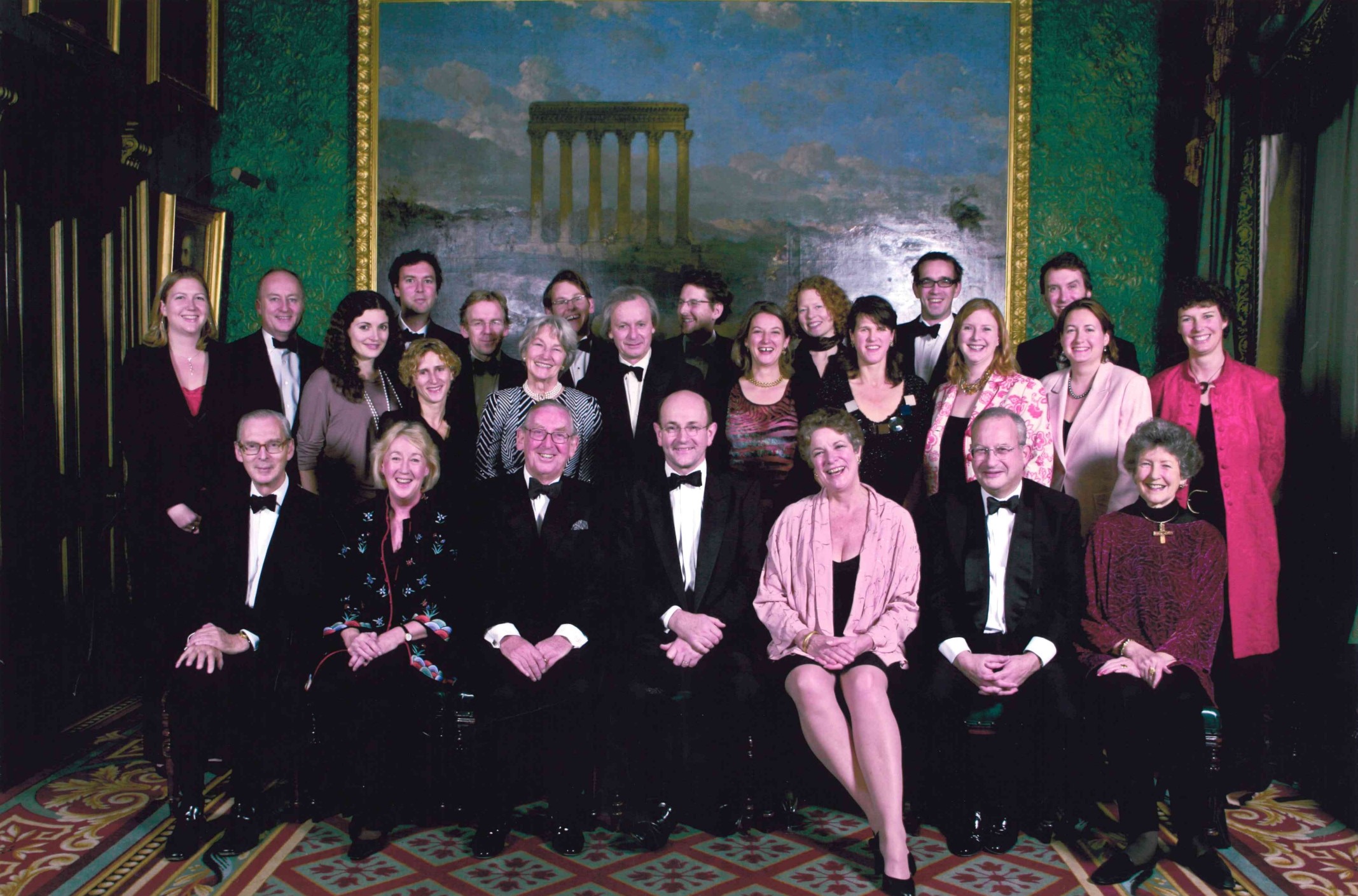
SFCT entered an ambitious era of 21st century grantmaking. The early 2000s at SFCT saw the founding of The True Colours Trust and Ashden Climate Solutions, the sister charity to the then-Ashden Trust. The staff team once again outgrew their office, moving across London to Allington House in 2002.
In 2006, Michael Pattison retired after 11 years as Director, having overseen over £570 million in grantmaking. Alan Bookbinder took over and led SFCT until 2018.
2001
The True Colours Trust is set up. An umbrella company, SFCT Management, is created to support the Trusts.
2002
Peter Hesketh is appointed as SFCT Deputy Director.
2004
Ashden Climate Solutions is established by The Ashden Trust.
2006
Michael Pattison retires and Alan Bookbinder becomes SFCT Director.
2010s

The charity sector grew and responded to challenges including austerity and divisions over the UK’s exit from the European Union – as well as opportunities for more urgent climate action. At SFCT, the Trusts supported a wider range of work than ever.
The new entities formed in this decade – Gatsby Africa and The Woolbeding Charity (formed to complete the remaining work of the closing Monument Trust) – brought SFCT to the total number of entities it is made up of today. SFCT moved to its current office at The Peak, initially with Alan Bookbinder as Director, followed briefly by Robert Bell and then, in 2019, the current CEO Karen Everett.
2014
Gatsby Africa is established by The Gatsby Charitable Foundation.
2017
The Woolbeding Charity is established by The Monument Trust.
2018
The Monument Trust officially closes.
2019
Karen Everett becomes CEO of SFCT.
2020s
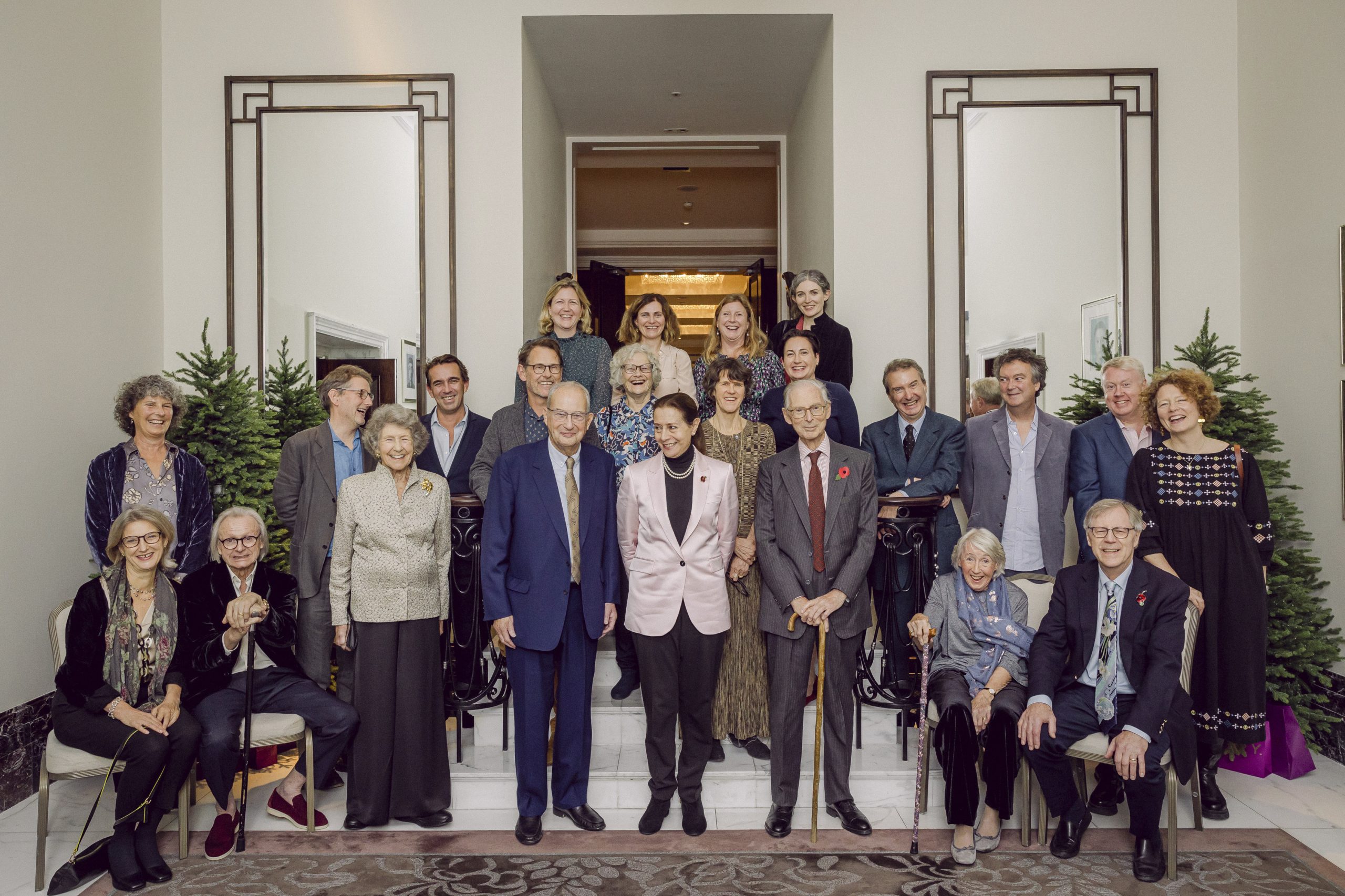
The Covid-19 pandemic transformed SFCT’s grantmaking, as staff worked from home, Trustees met online, and emergency funding was given to charities facing crisis. Across the third sector, the early 2020s have prompted a re-evaluation, and welcome shifts are taking place towards more inclusive and transparent practices.
SFCT’s team has completely transformed from its beginnings in the 1970s – with now close to 300 members of staff in offices in London, Manchester, Nairobi and Dar es Salaam. Just four years into the decade, SFCT’s huge range of grantmaking and programmatic work reflects an impressive start to the 2020s, and an optimism for the decades of change to come.
2023
Ashok Sinha becomes CEO of Ashden Climate Solutions.
2024
SFCT celebrates its 50th anniversary.